Istituto Oikos: 
a quarter century of scientific impact

For nearly three decades, scientific research has been at the heart of 
Istituto Oikos' mission. 

Working alongside universities, research institutes and conservation practitioners, we have contributed to advancing knowledge on biodiversity and sustainable natural resource management, taking part to more than 50 peer-reviewed scientific publications.

By grounding our conservation work in scientific evidence, we make our actions more robust, targeted and adaptable to changing environmental conditions.

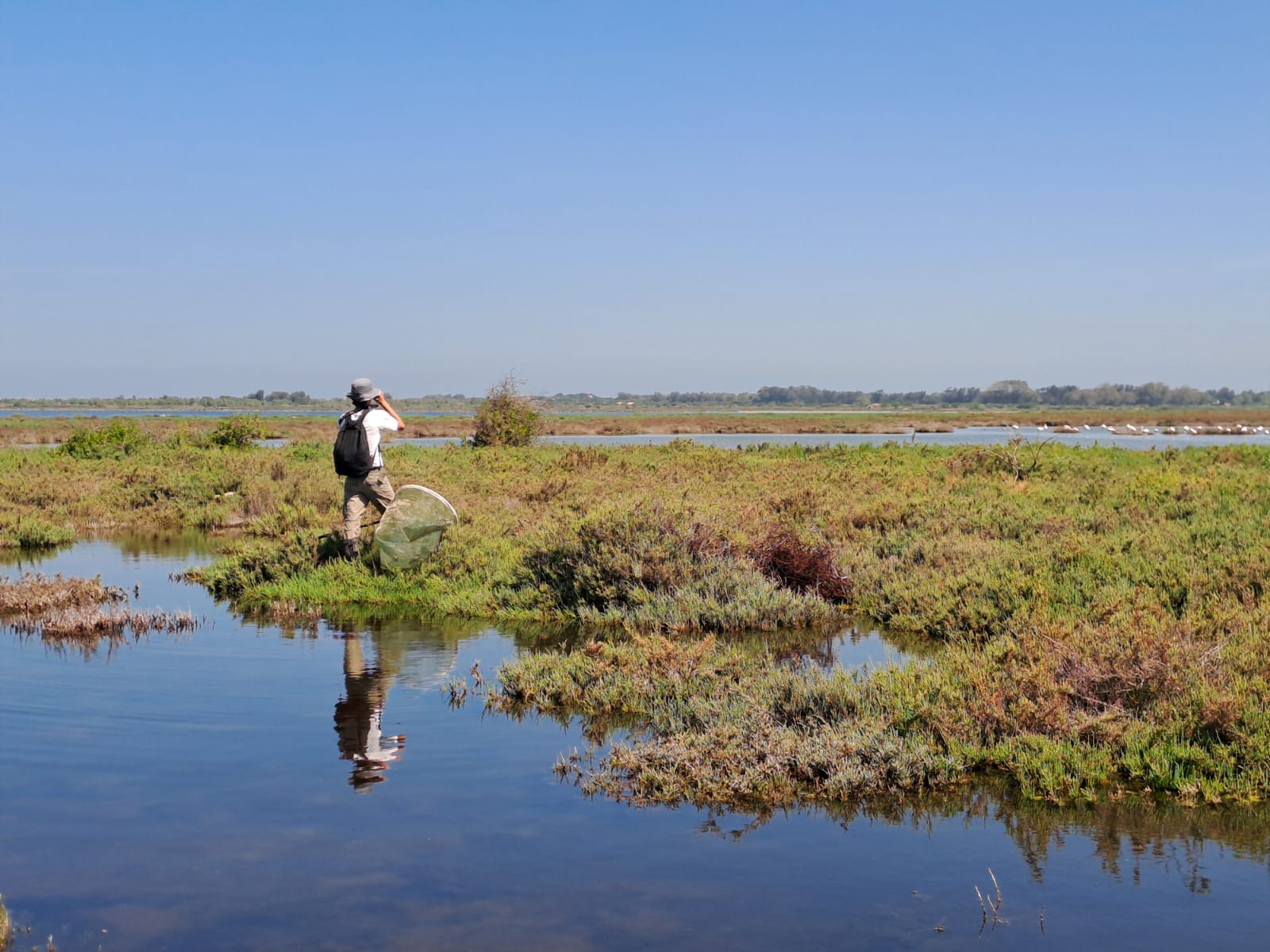
Monitoring is an essential part of this approach: by systematically tracking species, ecosystems and the effects of our interventions, we can assess what works, identify emerging challenges and adapt management strategies accordingly. In this way, science and long-term monitoring provide the evidence needed to plan effective management and ensure that conservation efforts deliver lasting results.

Our research spans from wildlife ecology and species conservation to ecosystem restoration and the relationships between people and nature. Although conducted across different countries, ecosystems and taxa, every study shares a common purpose: generating knowledge that can inform conservation action and support more sustainable ways of living with nature.

Publications

Below, we present a selection of scientific publications featuring at least one 
Istituto Oikos collaborator among the authors. 

Some of these studies stem directly from research projects led or managed by Oikos, while others result from collaborations developed with researchers and institutions around the world, including through the sharing and integration of data collected across different regions and at global scale.

1. Wildlife ecology and behaviour

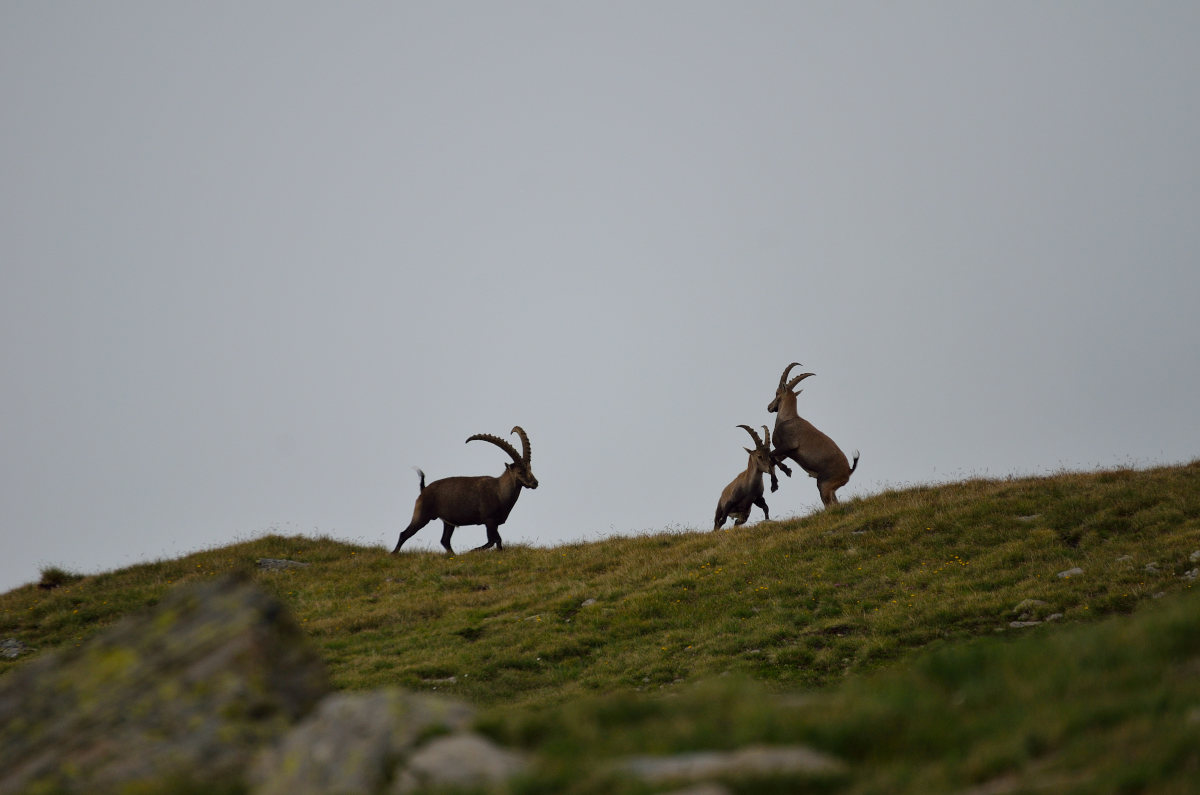
Understanding how animals interact with their environment is the first step toward protecting them. For this reason, one of Oikos' longest-standing research areas focuses on the ecology and behaviour of wildlife, investigating how species respond to habitat characteristics, climate, food availability and interactions with other organisms.

Over the years our researchers have studied mammals, birds, amphibians and bats in Europe, Asia and Africa, exploring topics such as habitat selection, movement ecology, reproductive biology and population dynamics. These long-term studies have provided valuable ecological knowledge on species ranging from red squirrels and Alpine rock ptarmigan to elephants, brown bears, wild boar and bats.

Beyond expanding scientific understanding, this research supports practical conservation by providing evidence that helps guide wildlife management, protected area planning and biodiversity conservation.

Download

Habitat use and population density of the red squirrel, Sciurus vulgaris meridionalis, in the Sila Grande mountain range (Calabria, South Italy), Italian Journal of Zoology
Effects of spatial variation in food availability on spacing behaviour and demography of Eurasian red squirrels, Ecography
Interspecific competition in tree squirrels: do introduced grey squirrels (Sciurus carolinensis) deplete tree seeds hoarded by red squirrels (S. vulgaris)?, Behavioral Ecology and Sociobiology
Social Behaviour, Reproductive Biology and Breeding Success of Alpine Rock Ptarmigan Lagopus mutus helveticus in Northern Italy, Ardea
Space and habitat use of the African elephant in the Tarangire-Manyara ecosystem, Tanzania: Implications for conservation Mammalian Biology, Mammalian Biology
Starting size and tadpole performance in the frog Rana latastei, Journal of Zoology
Habitat selection by alpine rock ptarmigan Lagopus muta helvetica in the Italian Alps, Ornithological Science
Recapture of a banded Bechstein's bat (Chiroptera, Vespertilionidae) after 16 years: An example of high swarming site fidelity, Mammalian Biology
Climate, tree masting and spatial behaviour in wild boar (Sus scrofa L.): insight from a long-term study, Annals of Forest Science
Rent a room in the Alps: winter den site preferences of native and reintroduced brown bears, Mammal Research
Face markings in Northern chamois: cues of dominance?, Mammalian Biology
When Gate Crashers Show Up: Does Expansion of Great Cormorant Phalacrocorax carbo in North-Western Italy Affect Breeding Site Selection in Grey Heron Ardea cinerea?, Ardea
A Comparison of Small Rodent Assemblages after a 20 Year Interval in the Alps, Animals
Climate is changing, are European bats too? A multispecies analysis of trends in body size, Ecology and Evolution
When the wild things are: Defining mammalian diel activity and plasticity, Science Advances
Movement ecology of the Sacred ibis (Threskiornis aethiopicus) outside of its natural range, NeoBiota
2. Conservation biology and biodiversity monitoring

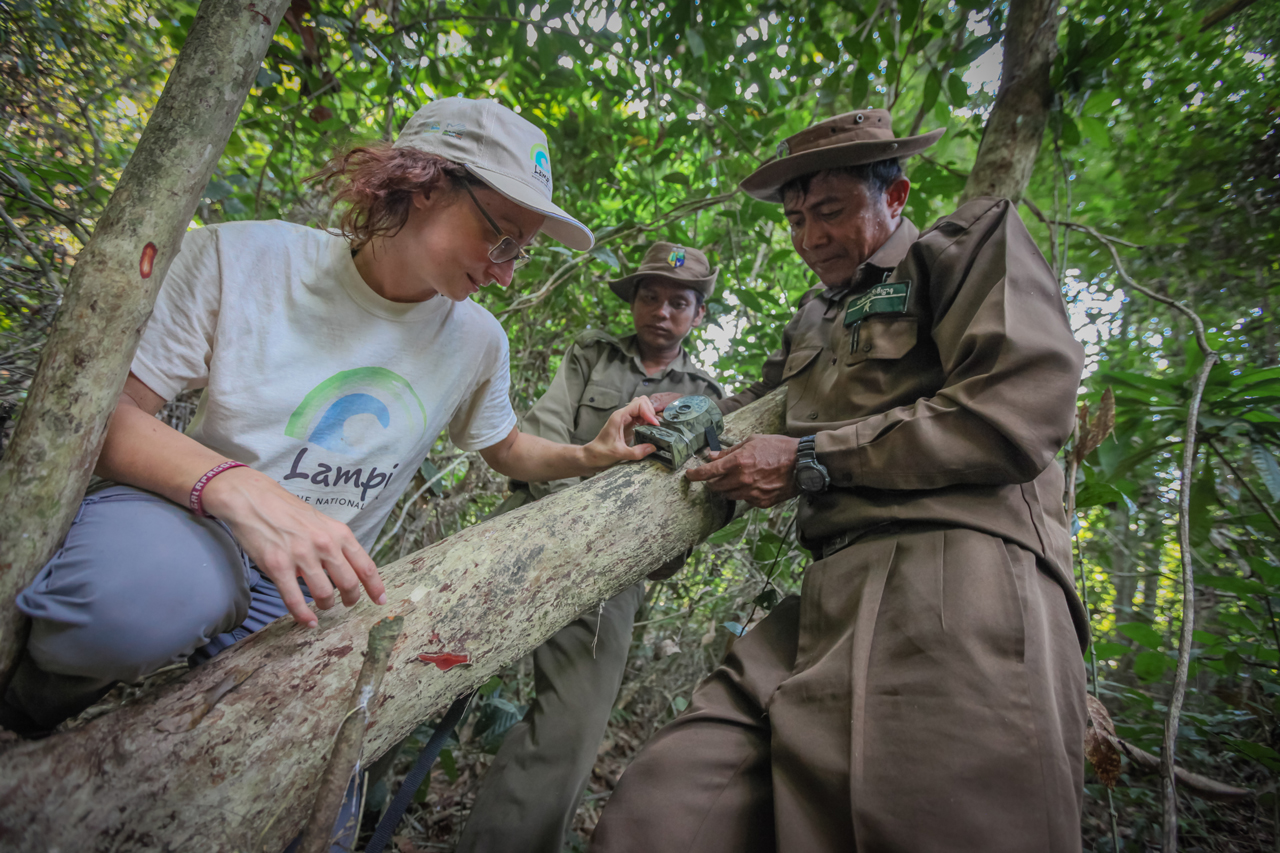
Effective conservation relies on robust scientific evidence. Oikos develops and tests innovative approaches for monitoring biodiversity and assessing the conservation status of species and ecosystems.

Our work has contributed to improving wildlife survey techniques, including camera trapping, occupancy modelling and distance sampling, while supporting conservation planning for threatened species and ecosystems across Europe and Asia.

Research has also addressed invasive alien species, wildlife health, human impacts on biodiversity and the role of protected areas in maintaining healthy ecosystems.

By combining field monitoring with quantitative analyses, these studies provide the information needed to make conservation decisions more effective and evidence-based.

Download

Species richness and habitat use of small carnivores in the Arusha National Park (Tanzania), Biodiversity and Conservation
Comparing data of different survey methods for sustainable wildlife management in hunting areas: The case of Tarangire-Manyara ecosystem, northern Tanzania, European Journal of Wildlife Research
A waterbird survey on the coast of Quirimbas National Park, northern Mozambique, Bulletin of the African Bird Club  
Biodiversity as a tool: Quantitative assessment of species richness for environmental planning, Annali di Botanica
Mapping biodiversity hotspots and conservation priorities for the Euro-Mediterranean headwater ecosystems, as inferred from diversity and distribution of a water beetle lineage, Biodiversity and Conservation
Where is the pulse to have the finger on? A retrospective analysis of two decades of Alpine Galliforms (Aves: Galliformes) census and game bag data in Italy, European Journal of Wildlife Research
Eradicating the grey squirrel Sciurus carolinensis from urban areas: an innovative decision-making approach based on lessons learnt in Italy, Pest Management Science
Watching a movie or going for a walk? Testing different sun bear (Helarctos malayanus) occupancy monitoring schemes, Hystrix
A field test of unconventional camera trap distance sampling to estimate abundance of marmot populations, Wildlife Biology
Restricted access to private properties limits management of invasive alien species: A literature review and case studies, Journal of Environmental Management
Evaluation of human disturbance on the activity of medium-large mammals in Myanmar tropical forests, Forests
Identifying conservation priorities for an understudied species in decline: Golden cats (Catopuma temminckii) in mainland Tropical Asia, Global Ecology and Conservation
Camera trapping to assess status and composition of mammal communities in a biodiversity hotspot in Myanmar, Animals
Why we went to the woods?: effects of human disturbance on species presence in a disturbed Myanmar forest ecosystem, Animal Conservation
Health Status of the Eastern Grey Squirrel (Sciurus carolinensis) Population in Umbria: Results of the LIFE Project ‘U-SAVEREDS’, Animals
Where will the dhole survive in 2030? Predicted strongholds in mainland Southeast Asia, Conservation Science and Practice
Five decades of breeding populations census for 12 species of colonial waterbirds in northwestern Italy, Scientific Data
Mapping threatened Thai bovids provides opportunities for improved conservation outcomes in Asia, Royal Society Open Science
Landscape-level human disturbance results in loss and contraction of mammalian populations in tropical forests, PLoS Biology
Protected areas, habitat integrity and terrestrial mammal biodiversity in Lebanon, Environmental Conservation
New assessment reveals extraordinary plant diversity at risk in Ngezi–Vumawimbi Forest Reserve, Pemba Island, Zanzibar, Tanzania, ORYX

3. Systematics and biodiversity discovery

Protecting biodiversity begins with knowing it. Part of our research contributes to discovering, describing and classifying life, providing the taxonomic foundations on which conservation depends.

This work includes the revision of insect groups, the description of previously unknown species and life stages, phylogenetic studies and, more recently, the discovery of a new endemic tree species from Zanzibar. Although representing a smaller component of our research portfolio, these studies are essential for improving our understanding of Earth's biodiversity and identifying conservation priorities.

4. Nature, people and sustainable development

Nature conservation cannot be separated from people's well-being. Reflecting Oikos' mission, this research area explores the complex relationships between ecosystems and the communities that depend on them.

Our researchers investigate topics including sustainable agriculture, ecosystem restoration, renewable energy, nutrition, flood risk management and participatory approaches to natural resource management. By integrating ecological, technological and socio-economic perspectives, these studies help develop practical solutions that strengthen both biodiversity conservation and local livelihoods.

Across Africa, the Mediterranean region and beyond, this work demonstrates how science can support sustainable development while addressing global environmental challenges.

Download

A comparative study on bushmeat consumption patterns in ten tribes in Tanzania, Tropical Conservation Science
Rural electrification in developing countries: The Energy4Growing project, Energia Elettrica
Renewable energy powered membrane technology: Fluoride removal in a rural community in northern Tanzania, Separation and Purification Technology
Insights into medicinal wildlife consumption and bear part use in Rakhine, Myanmar, Journal for Nature Conservation
Assessing social impact in the field of sustainable tourism development: Evidence from Cabo Delgado (Mozambique), Development Southern Africa
Indigenous vegetables: a sustainable approach to improve micronutrient adequacy in Tanzanian women of childbearing age, European Journal of Clinical Nutrition
Flood mitigation measure and water storage in East Africa: An analysis for the Rio Muaguide, Mozambique, Hydrology
Qualitative Modeling for Bridging Expert-Knowledge and Social-Ecological Dynamics of an East African Savanna, Land
Stone-walled terraces restoration: conserving biodiversity and promoting economic functions of farmlands in Lebanon, Journal of Agriculture and Environment for International Development
Catalysing restoration efforts in the Mediterranean region through the United Nations Decade on Ecosystem Restoration 2021–2030, Unasylva
Love your wet grass! Dry season grazing reserves show highest grass regrowth in communal semi-arid rangelands of Tanzania, PLOS ONE
Wildlife Dermatophytoses in Central Italy (Umbria and Marche Regions): A Fifteen-Year Investigation (2010–2024), Journal of Fungi
Flood risk assessment and participative process in the data-scarce Metuge district of Mozambique: An exportable approach International, Journal of Disaster Risk Reduction