Rebuilding safety and dignity
Rehabilitation of Emergency Shelters for Internally Displaced People in Ibo District
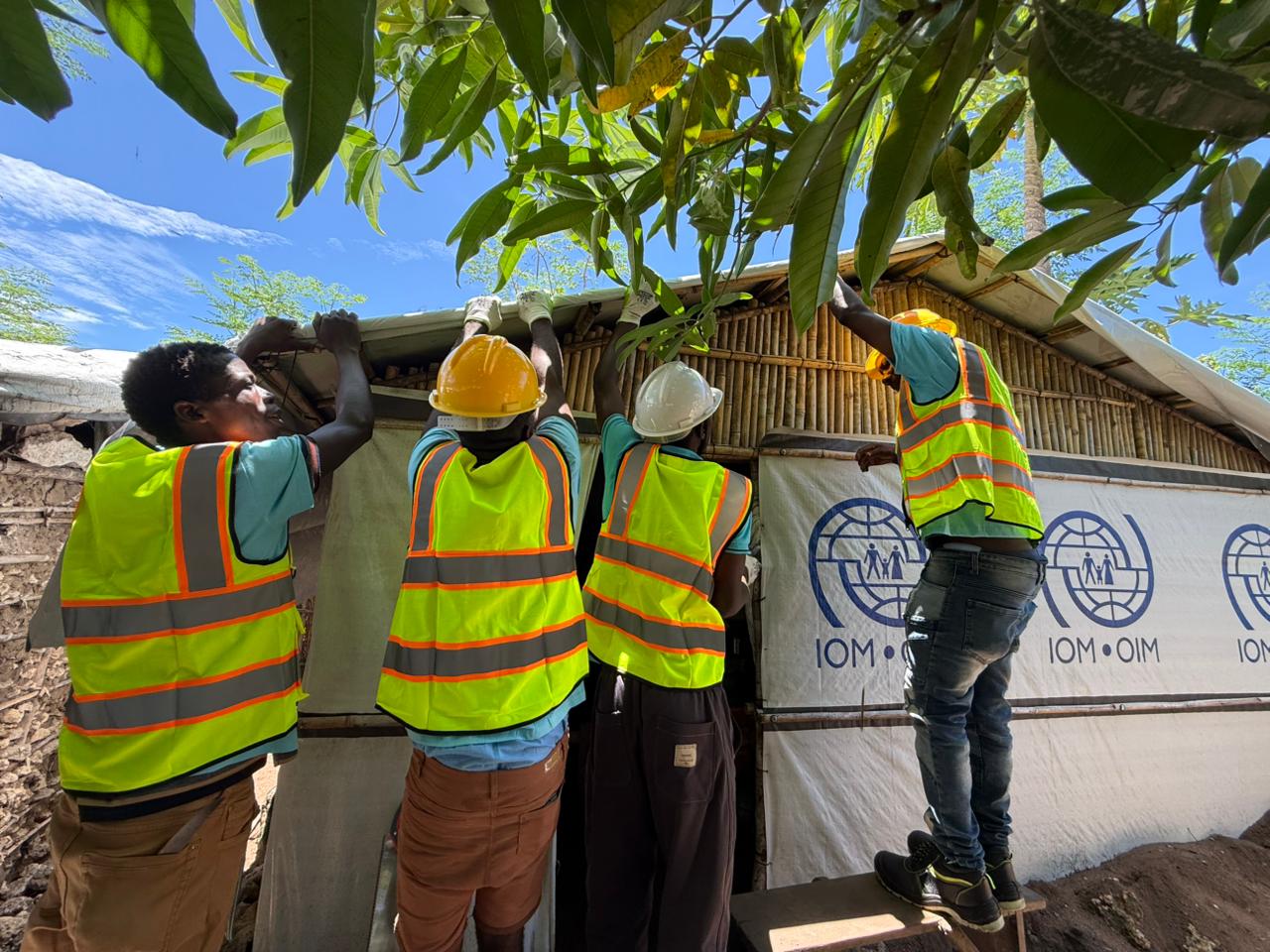
Rehabilitation of 310 emergency shelters in the islands of Ibo, Quirambo, and Quirimba
In Ibo District, Mozambique, thousands of internally displaced persons (IDPs) live in precarious housing conditions. Political and social instability, combined with repeated extreme weather events affecting the area, force many families to live in deteriorated emergency shelters that are exposed to the elements and insufficient to ensure safety and dignity. With a continuous presence in the area since 2014 and extensive experience in construction and rehabilitation interventions, Istituto Oikos steps in to address the most urgent needs of displaced communities on the islands of Ibo, Quirambo, and Quirimba.
This rehabilitation project was designed by listening to the needs and perspectives of the affected families, through an assessment conducted in May 2025 on local housing conditions.
Our goal is ambitious, and the intervention is more urgent than ever: we aim to improve the living conditions of the most vulnerable displaced families through the rehabilitation of 310 existing emergency shelters. We do this by providing safer, more resilient housing solutions while also strengthening local capacities in shelter maintenance and construction. A central element of the project is the sharing of skills among local artisans, community members, and families, ensuring that technical knowledge can be used beyond the project’s duration and for future interventions.
The intervention follows the Owner-Driven Approach (ODA), actively involving families in the rehabilitation of their own homes. We provide technical support, construction materials, and toolkits, while promoting the use of traditional construction techniques and locally available materials (bamboo, rubber cords, wooden poles) to enhance shelter safety and reduce maintenance costs. Local artisan teams work alongside displaced families, creating an effective opportunity for skills transfer and the strengthening of community capacities.
This participatory approach ensures that every intervention responds to the real needs of the people, fostering lasting collaboration between families, artisans, and local authorities.
Il progetto in numeri

180k
potabile in Tanzania
22k+
raccolti a Ibo, Mozambico
52k+
in Mozambico e Myanmar
11k+
di educazione nel mondo
200
di attività economiche
in Tz e Myanmar

1700
in Italia
1700
in Italia

52k+
in Mozambico e Myanmar
1700
in Italia